

Contents
- The reality behind ceramic coating claims
- How long does a ceramic coating really last?
- Is ceramic coating permanent?
- Do ceramic coatings prevent scratches?
- What does ceramic coating actually protect against?
- Why preparation matters more than the coating itself
- Does driving style affect ceramic coating lifespan?
- 2-Year vs 5-Year vs 8-Year Coatings: What’s the practical difference?
- What maintenance mistakes shorten coating life?
- When is ceramic coating not worth it?
- Is ceramic coating worth it for most drivers?
- Why the detailing industry avoids these conversations
- Our Position at Washdoctors
- Frequently Asked Questions about Ceramic Coating
- Author: Will Mapstone
The reality behind ceramic coating claims
Ceramic coatings are not permanent, do not prevent scratches, and rarely last the full advertised lifespan on a daily driven UK vehicle. Real-world durability depends far more on paint preparation, mileage, washing habits and environmental exposure than the coating itself. In practice, preparation quality and maintenance determine whether a coating performs well or fails early.e marketing headline.
Ceramic coatings have their place. But they are widely misunderstood.
This guide explains what actually determines performance, what most providers avoid saying, and when ceramic coating is, and isn’t, worth it.
How long does a ceramic coating really last?
Most ceramic coatings on daily driven UK vehicles last between 2 and 5 years in real-world conditions. Longevity depends heavily on mileage, storage, washing habits and environmental exposure. Cars driven frequently, parked outdoors and exposed to winter salt will typically see coatings degrade faster than low-mileage garage-kept vehicles.
“Up to 8 years” typically assumes:
- Low annual mileage
- Garage storage
- Minimal motorway driving
- Strict safe-wash maintenance
- Professional inspections
- Approved aftercare products
A car covering 15,000–20,000 miles per year, parked outdoors, driven through winter salt, and washed regularly at automated car washes will not deliver brochure-level longevity.
Long guarantees often depend on structured maintenance plans costing £70–£80 per month. These plans commonly include booster applications. Booster layers can restore water behaviour temporarily, masking deterioration beneath.
We limit coatings to a maximum of 5 years because that is what performs consistently for typical road users without requiring monthly top-ups.
Longer claims exist. Realistic performance is different.
Explore our ceramic coating service or check availability in your local area.
“Most ceramic coatings don’t fail because the product is bad, they fail because the preparation wasn’t done properly.”
Will Mapstone, Founder and CEO of Washdoctors
Is ceramic coating permanent?
Ceramic coating is not permanent. Although it chemically bonds to a vehicle’s clear coat, it remains a sacrificial protective layer that gradually wears down through UV exposure, road salt, environmental fallout and regular washing. Over time the coating loses hydrophobic performance and eventually requires reapplication.
It chemically bonds to the clear coat but remains a sacrificial layer. It gradually wears down under:
- UV exposure
- Road salt
- Traffic film
- Friction washing
- Environmental fallout
Hydrophobic performance declines over time. When water no longer beads or sheets effectively, protection has reduced.
No consumer ceramic product permanently protects paint. All coatings degrade.
Understanding this prevents disappointment.
Do ceramic coatings prevent scratches?
Ceramic coatings do not prevent scratches. They may reduce very light wash marring, but they cannot stop stone chips, deeper swirl marks or physical abrasion from poor washing methods. Ceramic coatings improve chemical resistance and cleaning ease, but they do not provide impact protection.
They may reduce very light wash marring, but they do not stop:
- Stone chips
- Deep swirl marks
- Key scratches
- Automatic brush damage
Ceramic coating improves chemical resistance and ease of cleaning. It does not provide impact resistance.
If impact protection is the priority, Paint Protection Film (PPF) is the correct solution.
Marketing phrases such as “9H hardness” are often misunderstood. They refer to pencil hardness testing under lab conditions, not real-world scratch immunity.
What does ceramic coating actually protect against?
Ceramic coatings primarily protect against chemical contamination and environmental staining, rather than physical damage. They create a slick surface that reduces bonding from substances such as bird droppings, tree sap, brake dust and traffic film, making the vehicle easier to clean and maintain.
Ceramic coatings provide resistance against:
- Chemical staining (bird droppings, tree sap)
- UV oxidation
- Light environmental fallout
- Brake dust adhesion
- Traffic film bonding
They make cleaning easier and reduce the frequency of waxing.
They do not eliminate contamination. They slow bonding and reduce effort required during maintenance.
Ceramic coating is a maintenance efficiency tool. It is not armour.
Why preparation matters more than the coating itself
The gloss people associate with ceramic coatings comes primarily from paint correction, not the coating itself. Ceramic coatings are transparent and add very little visual improvement on their own. The deep gloss usually seen after installation is created during the machine polishing stages that remove swirl marks and refine the clear coat.
It comes from paint correction.
Proper preparation includes:
- Snow foam pre-wash
- Chemical decontamination
- Clay bar decontamination
- Multi-stage machine polishing
- Panel wipe-down before application
Preparation determines:
- Surface clarity
- Defect removal
- Bonding strength
- Even coating distribution
If a ceramic coating is applied to poorly prepared paint, the coating simply seals the imperfections underneath.
Preparation is the most technically demanding and time-intensive stage. It often takes 6–12 hours depending on vehicle condition.
If a ceramic coating service is completed in only a few hours, preparation has been compromised.
“Ceramic coating doesn’t create a perfect finish, it protects the work done beforehand.”
Will Mapstone, Founder and CEO of Washdoctors
Does driving style affect ceramic coating lifespan?
Yes. Driving environment directly affects coating durability.
Factors that shorten lifespan:
- High motorway mileage
- Frequent rural driving
- Winter salt exposure
- Parking under trees
- Regular automated washing
A garaged car covering 5,000 miles per year will retain coating performance far longer than a motorway commuter covering 20,000 miles annually.
The faster and further you drive in harsh conditions, the more mechanical stress the coating absorbs.
Durability is usage-dependent.
2-Year vs 5-Year vs 8-Year Coatings: What’s the practical difference?
A major difference between ceramic coatings marketed as 2-year, 5-year or 8-year solutions is not just the chemical formulation. In practice, durability depends on maintenance expectations, driving conditions and preparation quality rather than the number printed on the product label.
| Marketed Duration | Realistic Daily Driver Lifespan | Maintenance Required | Suitable For |
|---|---|---|---|
| 2 Years | 1.5–2 years | Safe washing only | Lease vehicles, short ownership |
| 3–5 Years | 3–5 years | Annual inspection advised | Most daily drivers |
| 8 Years (marketed) | Often 4–6 years without structured plan | Maintenance subscription required | Low mileage or enthusiast vehicles |
The difference is rarely just chemical formulation. It is maintenance expectation and usage pattern.
For most drivers, a properly installed 3-5 year coating provides the best balance of protection and realism.
What maintenance mistakes shorten coating life?
Common mistakes include:
- Using automated brush car washes
- Using harsh traffic film removers
- Skipping pre-wash stages
- Allowing bird droppings to bake on paint
- Using supermarket sponge-and-bucket methods
Ceramic coating reduces effort. It does not remove the need for safe washing.
Neglect accelerates failure.
When is ceramic coating not worth it?
Ceramic coating may not be worthwhile if:
- The vehicle will be sold within 6–12 months
- The owner intends to use automated brush washes regularly
- Budget does not allow proper paint correction beforehand
- The car is primarily a short-term lease
In these cases, a professional wax or sealant may provide better value.
Ceramic coating works best when paired with realistic ownership timeframes and safe washing habits.
Is ceramic coating worth it for most drivers?
Ceramic coating is usually worthwhile for owners planning to keep their vehicle longer than two years and who want easier long-term maintenance. It reduces contamination bonding, improves cleaning efficiency and preserves paint condition. For short ownership periods or vehicles regularly using automated car washes, the value is significantly lower.
For most daily drivers, the decision depends on ownership time and maintenance habits.
If the vehicle will be kept several years and washed correctly, ceramic coating can reduce cleaning effort and maintain paint condition more effectively than traditional wax or sealants.
Why the detailing industry avoids these conversations
Many detailing businesses avoid explaining the limitations of ceramic coatings because coating services are among the highest-margin offerings in the industry. Longer durability claims justify higher prices, while maintenance subscriptions create recurring income. As a result, marketing often emphasises maximum lifespan figures rather than realistic performance under daily driving conditions.
Longer durability claims justify higher pricing. Maintenance subscriptions create recurring income. Most customers do not scientifically monitor performance or challenge warranty conditions.
Marketing often focuses on:
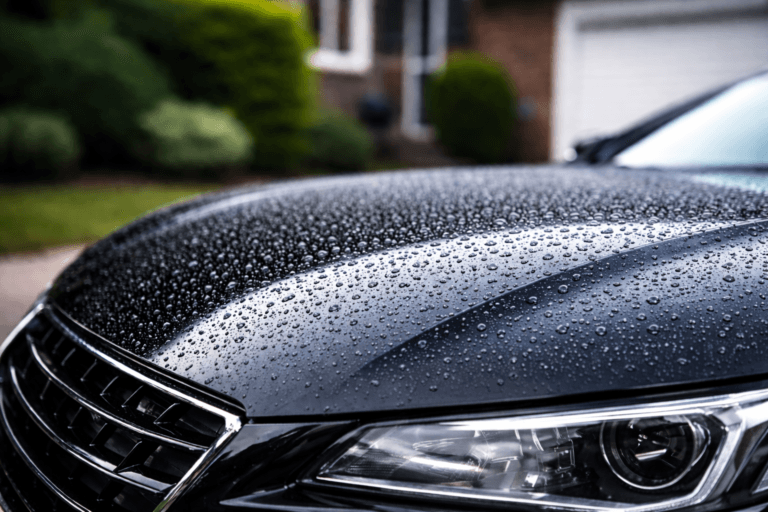
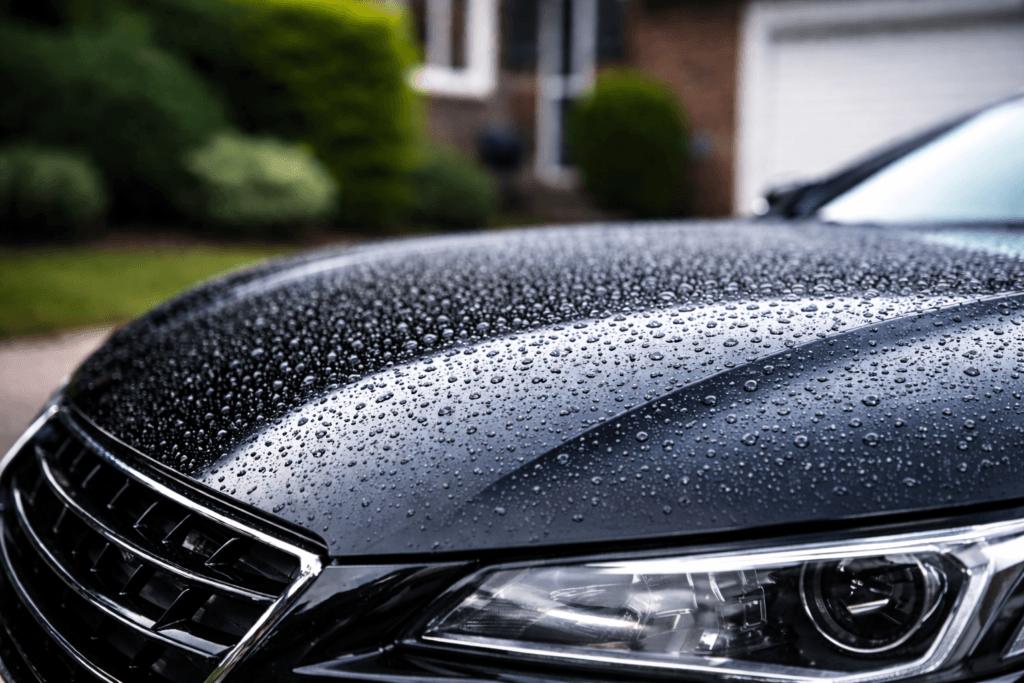
- Water beading videos
- “9H hardness” claims
- Maximum lifespan numbers
Less attention is given to preparation quality, driving conditions, and realistic degradation timelines.
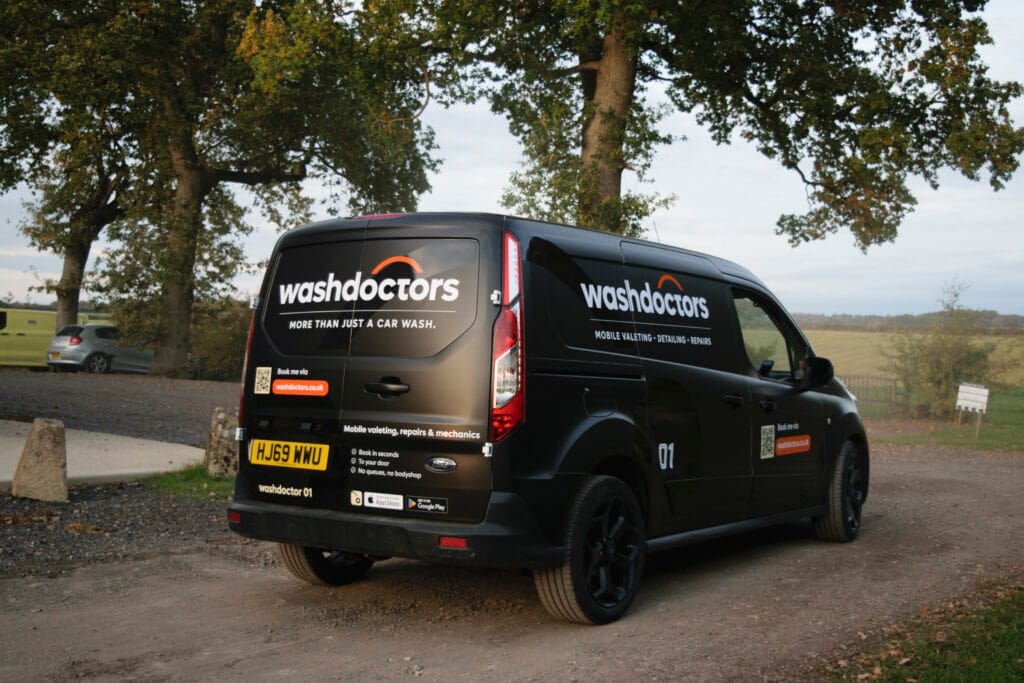
Our Position at Washdoctors
Washdoctors limits ceramic coating systems to a maximum advertised lifespan of five years because that reflects realistic durability for most UK daily driven vehicles. Longer marketing claims often rely on strict maintenance plans or ideal storage conditions that many drivers cannot maintain consistently.
That’s why we limit ceramic coatings to 5 years because:
- That reflects realistic UK daily driving
- It avoids dependency on monthly top-ups
- It aligns with how customers actually use their vehicles
We prioritise preparation standards over marketing headlines.
We focus on:
- Proper paint correction
- Honest expectation setting
- Protection suited to real-world use
If your coating service takes only a few hours, preparation has likely been reduced.
If you are considering ceramic coating, ask:
- How is the paint corrected?
- How long does preparation take?
- What maintenance is required?
- How does my mileage affect durability?
Those questions matter more than the number on the bottle.
Book a Ceramic Coating, view our full range of premium protection packages or find which locations Washdoctors cover.
Frequently Asked Questions about Ceramic Coating
- Do I need to provide parking?
- What’s your cancellation policy?
- How long does ceramic coating take to apply?
- Does ceramic coating increase resale value?
- Can ceramic coating be removed?
- Does ceramic coating stop bird droppings damaging paint?
- How often should a ceramic coated car be washed?
- Is ceramic coating better than wax?
Author
Will Mapstone
Founder & CEO, Washdoctors
Specialist in professional paint correction and long-term vehicle protection systems across the UK.